
When the garbage disposal suddenly goes silent or starts acting out, it can throw off your whole kitchen routine. That little unit under the sink does a lot of work, and once it quits, you could deal with anything from strange noises to bad smells — or no action at all. Either way, the problem feels like it popped up out of nowhere. If yours seems to have given up, it could be dealing with one of several common issues.
Let’s dive into the details, including when to reach out to us for expert plumbing services. We offer drain cleaning and even more long-lasting solutions so the heart of your home can stay humming along.
No Power to the Unit
When your garbage disposal shows no signs of life at all (no sound, no movement), it’s natural to suspect a major failure, but the problem is frequently electrical and quite simple. The first place to check is the unit itself. Look for a small reset button, which is usually red or black and located on the bottom or side of the disposal canister. This button is an overload protector that can trip to prevent the motor from burning out. Pushing it back in might be all it takes to restore power.
If that doesn’t solve the problem, the issue could be with your home’s circuit breaker. Take a look at your electrical panel to see if the switch connected to your kitchen has flipped to the “off” position. A simple flip back to “on” could be the solution. It’s also worth confirming the disposal is securely plugged into the outlet under the sink; sometimes, vibrations can loosen the plug over time.
Jammed Impellers or Flywheel
Let’s say the disposal hums but doesn’t spin. That usually means something inside is stuck. It might be a piece of silverware that slipped through or maybe a chunk of food waste that’s too fibrous or solid. In this case, the flywheel or impellers can jam, keeping the unit from turning. Most disposals come with a hex hole underneath where an Allen wrench can manually turn the flywheel to loosen things up. Always make sure the power is off before trying anything like this. Once the jam is cleared, running cold water while switching it back on often helps flush out any remaining debris.
Overheating and Auto-Shutdown
Sometimes, the motor gets too warm and shuts itself off to protect the unit. This usually happens when the disposal runs too long or tries to grind something tough. It might feel like the unit died for good, but after cooling down, it often starts working again. You may need to wait 15 to 20 minutes before pressing the reset button.
If the unit continues to overheat, something might be straining it inside, like a partial blockage, worn bearings, or dull grinding plates. That kind of repeated stress can lead to permanent wear if it keeps happening without getting checked.
Other Problems to Watch Out For
Is your garbage disposal running but not performing like it should? Keep an eye out for the following problems to pinpoint the source of the issue:
Leaks or Dripping Water
Leaks can develop at different connection points — like where the unit meets the sink flange, the dishwasher hose, or the drainpipe. They can also form due to gaskets wearing out, mounting rings loosening, or cracks forming in the disposal housing itself. If the leak starts up every time you run the sink or dishwasher, pinpointing the source can help narrow things down. Fixing a gasket or tightening a bolt often handles it, but a cracked shell or corroded unit may call for a full replacement.
Disposal Drains Slowly or Not at All
If water just sits in the sink or takes its sweet time draining, your disposal probably has a clog or buildup somewhere. Grease, coffee grounds, eggshells, and potato peels are common culprits. Over time, they collect inside the disposal or down in the drain line, forming a paste that blocks water flow. Running the disposal without much water can make things worse by pushing food waste deeper into the pipes. Clearing the drain trap or using a safe cleaning method like baking soda and vinegar might help. Avoid chemical drain cleaners — they can damage the unit’s internal parts.
Loud Noises or Grinding Sounds
A garbage disposal will make noise, but some sounds should raise eyebrows. If it starts rattling, clanking, or screeching, something foreign probably made its way in. Small utensils, glass shards, or bone fragments often get caught and bounce around inside. That can damage the grinding chamber if left unchecked. Loud vibrations can also come from loose mounting bolts or worn bearings. If the noise starts out of nowhere and keeps getting worse, turning the disposal off right away is the best move. Removing whatever’s stuck inside — or having it inspected — can stop bigger problems before they develop.
Foul Odors From the Disposal
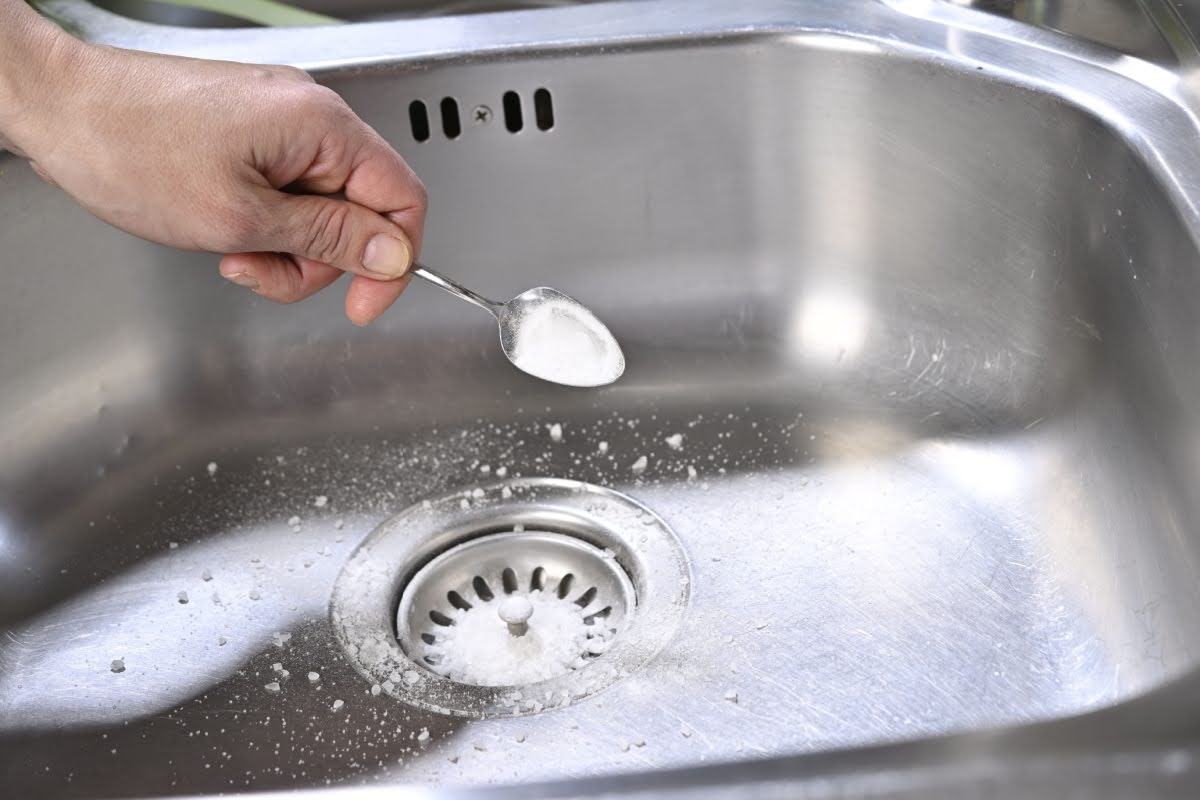
Disposals that go too long without cleaning collect food particles, grease, and bacteria. These build up inside the grinding chamber and under the rubber splash guard. Rinsing with hot water won’t always do the trick, especially if the odor has been sitting for days. A mixture of ice and salt can help scrub the chamber. Citrus peels work as a natural deodorizer, and cleaning the splash guard separately can make a big difference. When smells keep coming back, it might be time to check for hidden buildup in the drain line. After all, unpleasant smells coming from the sink can make the whole kitchen feel less inviting.
When to Reach Out to Our Garbage Disposal Pros
Some issues cross into tricky territory. If you’ve tried basic resets or clearing visible debris, but the problem sticks around, our team at Curtis Total Service is ready to help. We’ve dealt with disposals in every state, from ones that refuse to turn on to those that sound like a blender full of rocks. If the wiring looks questionable, the unit keeps overheating, or there’s a persistent leak that simple fixes haven’t resolved, calling in a pro can save time and prevent more damage. We’ve got the tools, replacement parts, and experience to diagnose things fast.
Tips for Preventing Garbage Disposal Issues
A little bit of preventative care can go a long way in keeping your garbage disposal running smoothly and avoiding many of the problems we’ve discussed. Following these simple guidelines can extend the life of your unit and help you steer clear of frustrating clogs and jams.
- Always run a strong flow of cold water during operation and for about 30 seconds after using the disposal to help flush food waste completely through the pipes.
- Cut larger food scraps into smaller, more manageable pieces before putting them into the disposal.
- Avoid putting hard materials like bones, fruit pits, and seafood shells down the drain, as they can jam or damage the impellers.
- Steer clear of fibrous and starchy foods like celery, corn husks, onion skins, and potato peels, which can wrap around the blades and create clogs.
- Never pour grease, oil, or fat into your garbage disposal or drain, as they can solidify and cause serious blockages.
- Regularly clean your disposal by grinding ice cubes to clear debris from the blades, and use citrus peels to freshen it up.
Call Now for Stubborn Garbage Disposal Issues
If you’ve worked your way through these troubleshooting steps and your garbage disposal is still giving you trouble, don’t hesitate to reach out to us. We understand how much you rely on your kitchen appliances, and broken disposal can be a real inconvenience. We can quickly diagnose the problem and provide you with a clear, upfront explanation of the best solution, whether it’s a straightforward repair or a full replacement. Give us a call today, and we’ll have your sink and garbage disposal functioning perfectly again in no time.